

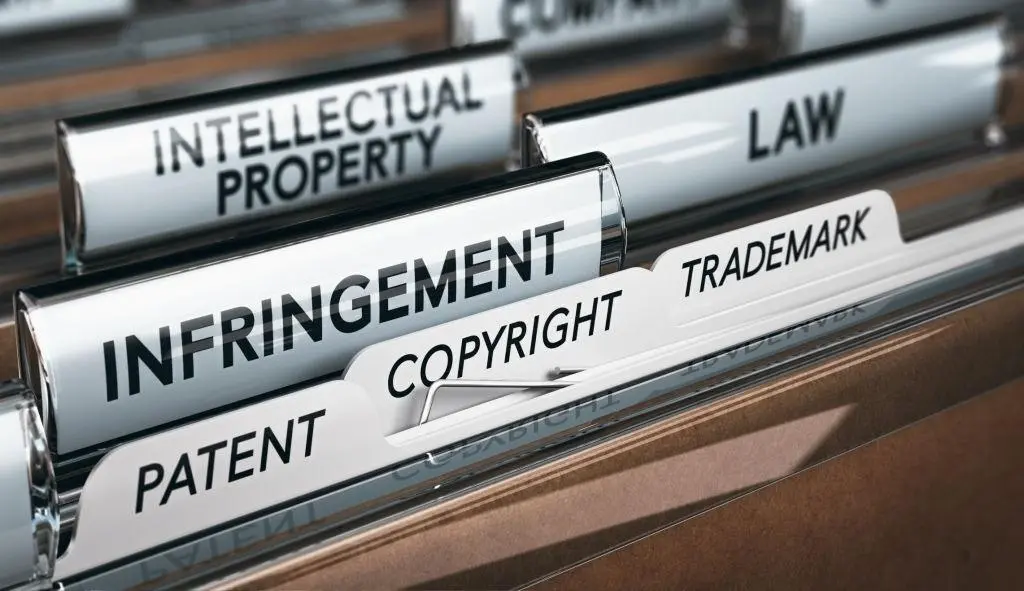
The world of intellectual property (IP) and copyright law is constantly transforming as new paths are forged throughout the industry. Whether you’re a business owner, artist, or entrepreneur, it’s important to move into the new year addressing the question, “Are there new intellectual property or copyright laws for 2026?” Because each year tends to bring changes to IP and copyright laws, understanding your rights and legal options within these areas is crucial.
What Is Changing About IP Laws?
Most intellectual property laws are implemented by the federal government. While many elements of IP and copyright law remain the same, 2026 offers a medley of developments that will change the way IP holders and creators address IP and copyright cases. Some important changes include:
- Trade Secrets. Businesses must assess the risks of AI-powered automation and the ability of generative AI to replicate creative outputs. Globalization and cross-border collaboration have opened the doors to the risk of theft or leaks of trade secrets. The FBI estimates that the cost of counterfeit goods, pirated software, and theft of trade secrets is between $225 billion and $600 billion
- “Nice Classification” of Goods and Services. Effective January 1, 2026, the international categorization of goods and services for the registration of trademarks will change some classifications and modernize language to keep up with the shifting market.
- Dupes. While 3.7 million patent applications were filed worldwide in 2024, many inventors struggle with protecting their IP. In 2026, rights holders can continue to assert claims against others for design patent infringement. This litigation will then continue to inform how IP laws affect the rights of IP holders in cases regarding functional or aesthetic design rights.
- Artificial Intelligence. As artificial intelligence and large language models (LLMs) change the face of expressive generation, IP laws must keep up. This year seems poised to further explore how to litigate AI copyright infringement and define authorship and originality.
How Is AI Affecting IP Laws?
While artificial intelligence (AI) models are just one part of the changes to IP and copyright laws individuals are seeing in 2026, it is worth diving deeper into their effects on businesses and IP holders. Some common issues being seen with AI and intellectual property include:
- Generative AI and Copyright Infringement. In its 2025 report, the US Copyright Office made clear that AI systems that use copyright-protected materials may be at risk of infringing on copyright law. This may lead to AI companies moving toward a permissions-based model when accessing certain materials.
- AI Image Generation. While copyright laws exist to foster creativity, their protections end at how an idea is expressed. Style and the ideas themselves are not protected under the current copyright law. While there are ongoing copyright cases brought by artists that argue AI companies are capitalizing on the identities and styles of well-known creators, many of these cases have yet to be settled.
- Output Liability. Questions of liability arise when AI is used to generate output that infringes on copyright and IP laws. Is the user at fault for their prompt, or is the AI responsible for the work on which it was trained? These are serious questions for any creator using AI models or rights holders looking to protect their IP.
- Varying State Laws. In the absence of federal legislation focused on AI, states have begun to enact their own legislation. This creates a patchwork that can affect businesses differently depending on location. States like Texas, California, and Utah have all introduced or passed legislation that sets state-level standards for certain uses of AI.
Hire an Intellectual Property Lawyer in California
Complying with or navigating the complex and shifting landscape of intellectual property and copyright laws can be difficult, especially when you’re trying to adhere to all of California’s nuanced state laws at the same time.
The Kinder Law Group understands that every individual and business’s intellectual property, trademarks, and copyrights are unique to them. That’s why we work to protect your interests through personalized, strategic legal methods and plans. We are eager to help you understand and navigate IP laws, from enforcement and IP strategy to IP protection using patent and trademark filing.
FAQs
Q: What Is Becoming Public Domain in 2026?
A: There are thousands of works becoming public domain in 2026. For example, works copyrighted in 1930 will see their copyrights expire this year, such as Agatha Christie’s debut novel and the animated character Betty Boop. You may want to hire an intellectual property lawyer if you plan to use some public domain materials, since trademarks or other copyright laws may still be in effect.
Q: What Is the Combatting China’s Pilfering of Intellectual Property Act?
A: The Combatting China’s Pilfering of Intellectual Property (CCP IP) Act is legislation introduced in late 2025 aimed at protecting American IP. It would impose sanctions and visa and immigration restrictions, as well as penalties against those who try to steal or replicate protected American IP. It would use diplomatic means to counter what it calls state-directed intellectual property theft by Chinese individuals.
Q: Are IP Laws in the United States Outdated?
A: IP laws can seem outdated because technology and the global economy transform quickly. Organizations that govern intellectual property may try to keep up with these rapid shifts, but implementing consistent, clear legislation regarding new and ever-changing creations and technology can be challenging. It is often up to courts and lawmakers to rewrite current legislation and create new statutes and precedents.
Q: What Are the New Trends in IP Law in 2026 in the United States?
A: The new trends in IP law focus mainly on ownership of digital products and AI concerns, but also encompass some reforms for patent eligibility and assessment of risks to trade secrets. Following litigation outcomes and legislation changes will be essential for understanding where IP law is headed. Staying ahead of these changes will be necessary for rights holders and organizations that rely on their existing intellectual property.
Contact The Kinder Law Group Today
Whether you need to register patents, trademarks, or copyrights, or take your IP infringement case to court, The Kinder Law Group has experienced attorneys to assist you with your case. We have extensive courtroom experience and have effectively defended and enforced IP rights across multiple jurisdictions. Contact The Kinder Law Group today to learn more about intellectual property laws in California and how we can be of service to you.